The best home fitness tech for a small space is compact, easy to store, and useful for the workouts you will actually repeat. Choose tools that reduce friction rather than devices that turn a room into a crowded equipment display.
Key Takeaway: Small-space fitness tech should earn its footprint. Buy around your actual workouts, storage limits, and consistency needs.
Small-Space Tech Should Solve A Real Problem
Home fitness technology can be helpful, but it can also create clutter and decision fatigue. In a small apartment or shared room, every tool needs a reason to exist. The best choices help you train safely, track useful information, or access coaching without demanding permanent floor space.
Wearable and app-based tools may support activity habits for some users. A systematic review on consumer wearable activity trackers found that these tools have been studied as a way to influence physical activity, although results and contexts vary. That means tech should be treated as support, not a guarantee.
Start With The Workout, Then Pick The Device
Do not buy equipment first and invent the plan later. Decide whether your priority is strength, cardio, mobility, recovery, or habit tracking. A person building muscle in a small space may need adjustable dumbbells or bands. A person focused on cardio may prefer a folding bike, compact stepper, or guided walking app. A person rebuilding consistency may need only a timer and wearable reminder.
If you have not chosen a weekly routine, start with your first 30-day fitness plan before comparing devices. A tool is easier to evaluate when you know the sessions it must support.
| Tech Option | Best Use In A Small Space | Watch-Out |
|---|---|---|
| Resistance bands | Strength and mobility with easy storage | Need secure anchoring and control |
| Adjustable dumbbells | Progressive strength training | Higher cost and storage weight |
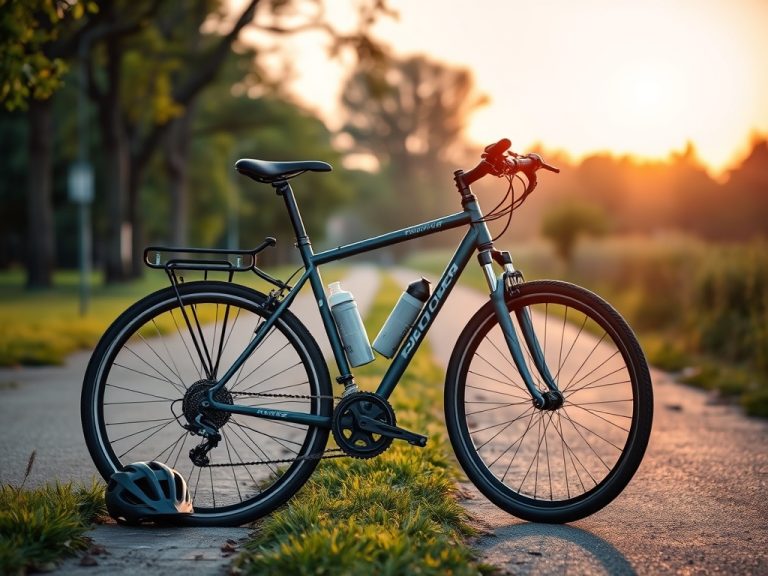
| Foldable stationary bike | Low-impact cardio | Still needs floor clearance |
| Workout app or tablet stand | Guided sessions and timers | Quality varies widely |
| Wearable tracker | Steps, reminders, basic trends | Data can become distracting |
Compact Strength Tools That Earn Their Space
Resistance bands, suspension straps, and adjustable dumbbells can all work well, but each has tradeoffs. Bands are affordable and portable, yet resistance changes through the movement. Adjustable dumbbells save space but may be expensive. Suspension trainers need a secure anchor and good technique. The right choice depends on your plan and comfort level.
Strength-focused buyers should also understand weekly training needs. The article on how many sets per muscle group you need can prevent overbuying equipment for a program that only needs a few well-chosen movements.

Cardio Tech For Apartments And Shared Rooms
Cardio equipment needs extra scrutiny in small spaces because noise, vibration, and storage matter. A foldable bike may be better than a treadmill for some apartments. A walking pad can be useful but still needs safety clearance. Jump ropes are compact but not suitable for every floor, joint, or ceiling height.
General activity guidance from CDC recommendations supports regular aerobic movement, but the device does not have to be elaborate. Brisk walking outdoors, stair use where safe, or a compact indoor option can all contribute to the same broader goal.
Trackers: Use Data Without Letting It Run The Plan
A tracker can reveal step trends, heart-rate patterns, or workout frequency, but it can also encourage chasing numbers without context. Use wearable data as feedback, not a moral score. If a low recovery score makes you anxious or a step target pushes you through pain, simplify the metrics you follow.
- Measure available floor and storage space before buying.
- Choose quiet equipment if neighbors or family are nearby.
- Avoid devices that require constant setup you already dislike.
- Use free or low-cost tools until the habit is stable.
A Small-Space Buying Filter
Before buying, ask four questions: Does this support my current plan? Can I store it without friction? Will I use it at least twice weekly? Can I progress with it for several months? A “no” to any question does not ban the purchase, but it should slow the decision down.
The next practical step is to list your top three workouts and the minimum tool each requires. Buy the smallest reliable option that supports those sessions. In a small space, the best fitness tech is the tool that keeps training simple enough to repeat.
Avoiding Expensive Clutter
Small-space purchases should pass a friction test. Imagine setting the item up on a busy day, using it for twenty minutes, cleaning around it, and storing it again. If that picture already feels annoying, the device may not support consistency no matter how impressive its features look.
Borrow, trial, or start with a low-cost version when possible. Many people discover that a mat, bands, and a simple timer cover their needs for months. More advanced equipment becomes easier to justify after the habit is established.
Technology should make training clearer. If a screen, subscription, or dashboard creates more decisions than action, simplify. The best tool in a small room is the one that disappears into the routine until it is time to train.
Subscriptions, Screens, And Privacy Considerations
Many home fitness tools depend on apps, subscriptions, cameras, or cloud accounts. Before committing, check the monthly cost, cancellation process, data settings, and whether the device remains useful without a paid plan. A compact tool can become a poor fit if the ongoing requirements feel burdensome.
Also consider screen fatigue. Some people love guided classes, while others train better with a simple timer and written plan. The best technology matches your attention style as much as your room size.
A Practical Starter Kit
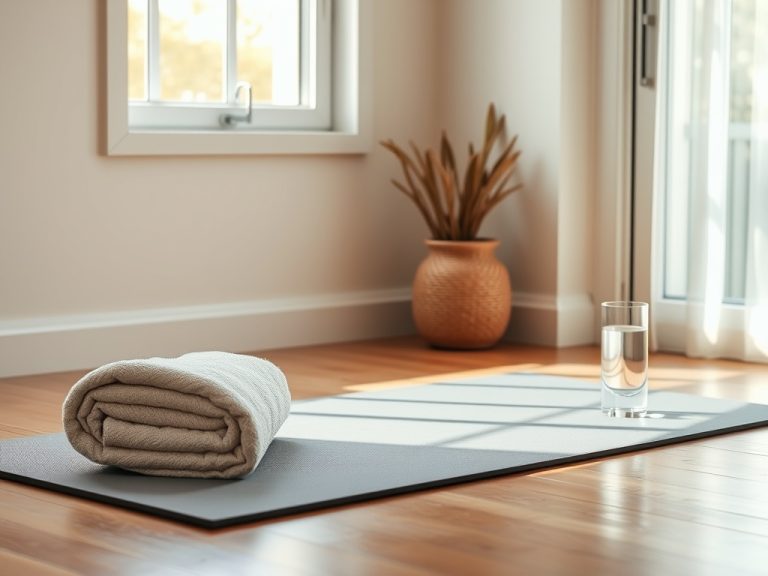
For many small spaces, a starter kit can be simple: a mat, a set of bands, one adjustable weight option, a door-safe anchor if appropriate, and a timer. Add cardio equipment only if you know where it will live and when you will use it.
Delay luxury purchases until the routine exposes a real limitation. If bands no longer provide enough resistance or outdoor walking is impossible in your schedule, then a larger tool may solve a clear problem rather than create another object to store.
When A Bigger Device Makes Sense
A larger purchase can make sense after a clear pattern appears. If you consistently complete cardio sessions but weather, safety, or schedule prevents outdoor movement, a foldable bike or walking pad may solve a real barrier. The device should answer a proven need, fit the room, and remain easy to move when the workout ends. That final storage test prevents a useful idea from becoming daily clutter.