Cycling is a beginner-friendly way to build cardiovascular fitness when the setup, pace, and progression are realistic. Start with comfort, safety, and steady frequency before chasing speed or distance.
Key Takeaway: A beginner cycling plan should make the next ride more likely. Fit, comfort, route choice, and easy pacing matter before speed goals.
Start With The Bike You Can Use Consistently
A beginner does not need a racing bike to gain fitness from cycling. The best first bike is one that fits your body, feels stable, and matches where you plan to ride. A hybrid bike, upright city bike, stationary bike, or basic road bike can all work if it lets you pedal comfortably without shoulder, neck, or knee discomfort.
Cycling can be part of the aerobic activity encouraged in the CDC physical activity recommendations. The public-health goal is regular movement, so the first decision is not which bike is most advanced. It is which setup removes the most barriers to riding two or three times a week.
Fit And Comfort Come Before Mileage
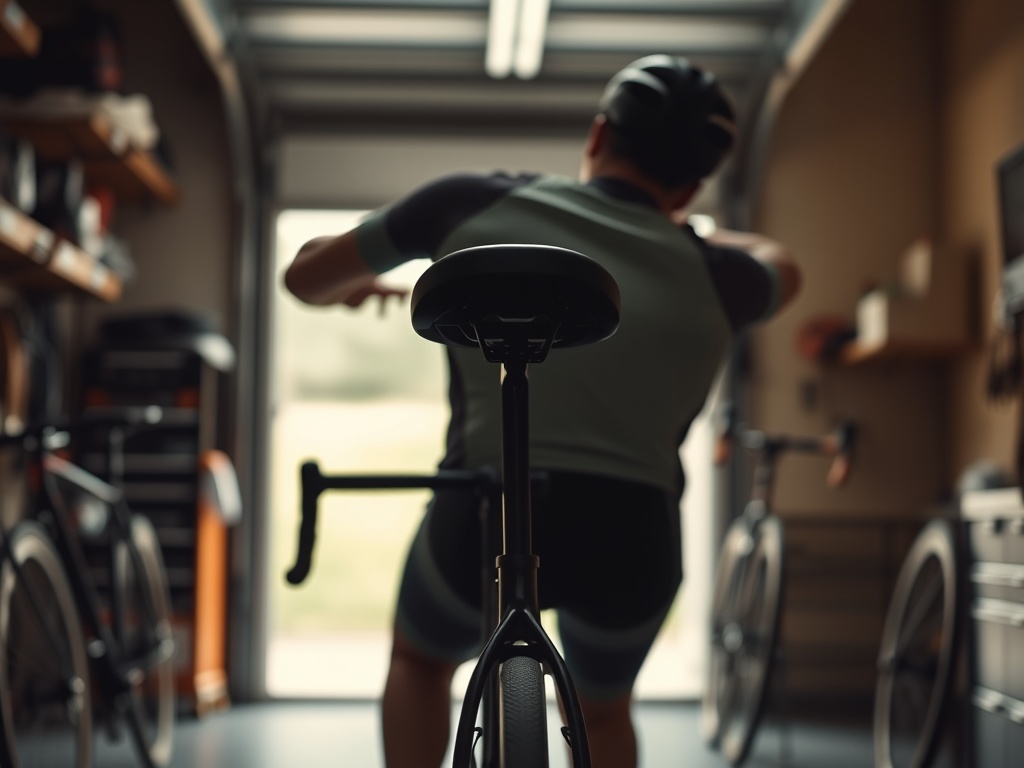
Small fit problems become large annoyances as rides get longer. The saddle should allow a slight knee bend at the bottom of the pedal stroke. Handlebars should let the shoulders relax. Shoes should sit securely on the pedals. If your hips rock side to side, the seat may be too high; if your knees feel cramped, it may be too low.
People who are also working on body composition may wonder how cycling fits with strength training. The article on losing body fat without losing muscle is a helpful pairing because it separates calorie burn from the need to preserve resistance training and adequate food intake.
| Ride Type | Beginner Purpose | Effort Cue |
|---|---|---|
| Easy spin | Build habit and comfort | Can speak in full sentences |
| Steady ride | Improve aerobic base | Conversation is possible but shorter |
| Short hill or resistance intervals | Practice controlled challenge | Hard for brief periods only |
| Recovery ride | Move without adding strain | Feels easier than a brisk walk |
A Four-Week Riding Progression
Week one can be as simple as two or three rides of 15 to 20 minutes. Choose a route or stationary setting that feels almost too easy. The goal is to learn how your seat, hands, breathing, and legs respond. Week two can add five minutes to one ride while keeping the others familiar.
By week three, add one controlled challenge such as three short pickups of 30 to 60 seconds. Do not sprint. Increase cadence or resistance enough to notice effort, then return to comfortable pedaling. Week four can repeat the same challenge or add a slightly longer easy ride if recovery has been smooth.
Fuel, Hydration, And The Average Ride
For short beginner rides, most people do not need special sports drinks or elaborate carbohydrate timing. Water and a normal meal pattern are often enough. Longer rides, hot weather, or repeated hard sessions can change that calculation, which is where a deeper guide to carbohydrate timing around exercise becomes more useful.
Research on carbohydrate availability, such as this open-access review on carbohydrates and physical performance, shows that fueling needs depend on session duration, intensity, and training goals. That evidence is most relevant when rides become prolonged or demanding, not when someone is taking a gentle neighborhood loop.
Safety Habits That Support Fitness
Fitness progress depends on staying healthy enough to ride again. Wear a properly fitted helmet, use lights when visibility is low, check tire pressure, and practice braking before riding near traffic. On outdoor routes, choose predictable roads or paths while skill is developing. Indoor riders should still adjust the seat and resistance to avoid knee strain.
- Keep the first ten minutes easy.
- Shift gears before a hill becomes too hard.
- Track ride completion before tracking average speed.
- Stop and adjust fit if numbness or sharp pain appears.
How To Know Cycling Is Working
Early progress may show up as a lower sense of effort at the same distance, steadier breathing, fewer stops, or better confidence in handling. Speed can improve later, but it should not be the first marker. Beginners often make faster progress when they ride a little easier and more often instead of turning every ride into a test.
A sensible next move is to choose two ride days and one optional ride day for the next month. Keep the main rides predictable, then use the optional day only when your legs and schedule agree. That approach builds a cycling habit without letting enthusiasm outrun recovery.
Choosing Between Outdoor And Indoor Riding
Outdoor riding gives variety, sunlight, terrain changes, and handling practice. Indoor riding gives weather control, easy stopping, and less concern about traffic. Neither is automatically better for fitness. The better option is the one that lets you ride consistently while feeling safe enough to relax into the work.
Beginners who feel nervous outdoors can start indoors for two weeks while practicing cadence and saddle comfort. Riders who dislike stationary training can use a flat outdoor route and keep the first rides short. The fitness signal comes from repeated pedaling, not from proving one environment is superior.
As comfort grows, combine both when possible. Indoor rides can handle short weekday sessions, while outdoor rides can build skill and enjoyment on weekends. Variety also reduces the boredom that often appears when every cardio session feels identical.
Basic Maintenance Makes Riding Easier
Simple maintenance keeps beginner rides from becoming frustrating. Inflate tires within the recommended range shown on the tire sidewall, check that brakes respond before leaving, and listen for rubbing or skipping that changes the ride feel. A clean, working bike reduces the mental effort needed to get started.
Stationary bikes need attention too. Tighten adjustment knobs, wipe sweat from contact points, and confirm the seat setting before each session. These small habits keep the workout focused on fitness rather than avoidable equipment problems.
Making The Habit Enjoyable Enough To Last
Enjoyment matters because cycling is easier to repeat when the ride feels like a break rather than another obligation. Choose routes with fewer stops, music or podcasts only where safe, and clothing that makes temperature easier to manage. Comfort details are not superficial; they influence whether the next ride happens.
If motivation dips, shorten the ride before canceling it. Ten relaxed minutes keeps the identity of being a rider alive. Over time, those small saves often matter more than occasional ambitious rides that are followed by long gaps.