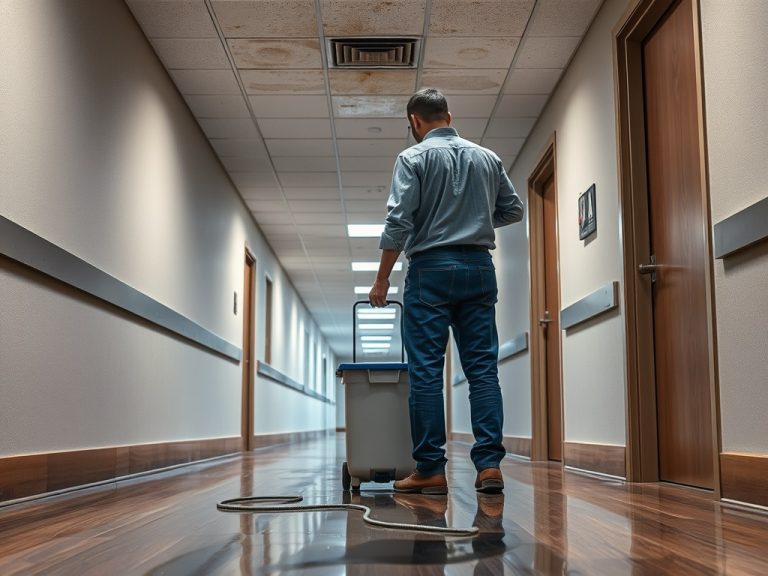
A building maintenance schedule turns recurring inspections, cleaning, testing, and service work into a predictable routine instead of a series of surprises. The right schedule separates daily visibility checks from weekly housekeeping, monthly system review, seasonal preparation, and annual professional service.
Maintenance Rhythm Snapshot: A useful schedule is asset-based, risk-aware, and easy to update. It should tell the team what to check, how often, what condition is acceptable, when to escalate, and where to record evidence.
Why one master calendar is not enough
Many buildings start with a spreadsheet of tasks, then struggle when the list grows. A calendar can tell a team that something is due, but it does not explain the asset condition, access needs, required tools, safety controls, or acceptance criteria. A mature maintenance rhythm links the calendar to assets, spaces, risk, and documentation.
This matters because not every task carries the same consequence. A lobby lamp outage is visible, but rarely critical. A blocked roof drain, failed sump pump, disabled fire door, or unusual electrical-room heat can create much larger risk. The maintenance schedule should reflect that difference rather than treating every task as equal.
Federal facilities guidance often frames operations and maintenance as a reliability and performance issue, not just a custodial checklist. The DOE FEMP operations and maintenance best-practices guide is a useful reference for owners who want to connect routine work with long-term performance.
Daily tasks: quick checks that catch obvious problems
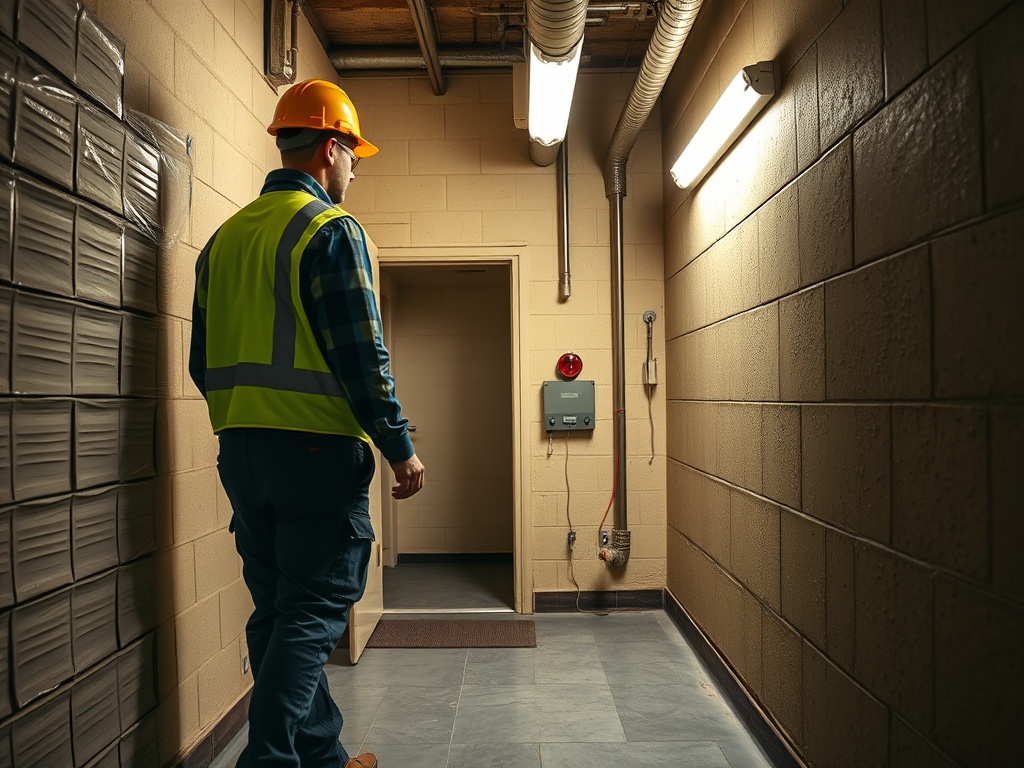
Daily tasks should be short enough to complete consistently. They usually focus on conditions that affect safety, comfort, access, and immediate building operation. Examples include entrance conditions, wet floors, unusual odors, lighting outages in critical areas, restroom problems, elevator complaints, visible leaks, exterior door security, trash overflow, and occupant-reported comfort issues.
Daily checks are also a chance to notice early water damage. Ceiling stains, active drips, swollen base, or water near exterior walls should not be dismissed. When the issue may involve the envelope, connect the observation to common facade leak causes so the team records enough detail for follow-up.
Weekly tasks: housekeeping plus operational review
Weekly maintenance often covers items that do not need daily attention but still benefit from a steady rhythm. Examples include drain checks in problem areas, filter condition spot checks, mechanical-room housekeeping, emergency lighting visual checks, exterior walkaround observations, roof-access checks when safe, and review of open work orders.
This is also the right frequency for team conversations. Review repeated complaints, vendor delays, parts shortages, and tasks that were missed. If the same problem appears each week, it may need a root-cause review rather than another work order.
Monthly tasks: systems, records, and condition trends
Monthly work should look deeper. Common examples include HVAC filter replacement schedules, belt and bearing observations, pump checks, fire extinguisher visual checks where assigned, plumbing fixture review, access-control issue review, generator exercise records if applicable, and inspection of high-traffic flooring transitions.
Walking-working surface safety belongs in routine maintenance because slips, trips, and falls are often tied to conditions building teams can see. OSHA's walking-working surfaces information is a useful reminder that floor, ladder, and access conditions are safety concerns, not just appearance issues. If a recurring issue appears at flooring edges, review expansion and transition details before temporary fixes become permanent hazards.
Seasonal and annual tasks
Seasonal work depends heavily on climate and building type. Before cooling season, teams may review coils, condensate drains, controls, roof equipment, and ventilation complaints. Before heating season, they may review boilers, furnaces, heat pumps, pumps, freeze protection, hydronic loops, and combustion safety where applicable. Storm season may require roof drains, gutters, site drainage, exterior doors, and emergency response supplies.
Annual work usually includes deeper inspections, professional service, testing required by applicable rules, budget review, asset condition assessment, and capital planning. The annual cycle should also update documentation: equipment lists, warranties, service records, vendor contacts, emergency procedures, and training needs.
Example maintenance rhythm
| Frequency | Typical focus | Documentation to capture |
|---|---|---|
| Daily | Safety, access, leaks, complaints, visible defects | Quick notes, photos, occupant reports |
| Weekly | Housekeeping, exterior review, open work orders, recurring issues | Work-order status, supervisor notes |
| Monthly | Asset condition, filters, pumps, flooring, records | PM forms, readings, photos, exceptions |
| Seasonal | Weather preparation, HVAC mode change, drainage, freeze or heat risks | Checklists, service reports, deficiency list |
| Annual | Professional inspections, budget inputs, asset planning | Condition ratings, compliance records, capital needs |
Avoid the most common scheduling traps
The first trap is copying a generic checklist without adapting it to the building. A warehouse, medical clinic, school, restaurant, and office tower have different risks. The second trap is creating too many tasks with no prioritization. If everything is urgent, supervisors cannot tell what truly needs attention.
The third trap is ignoring closeout quality. A completed task should show what was observed, what was done, and what remains open. Photos are helpful when they show the asset, location, and defect clearly. A note that says "done" has little value six months later.
Connect cleaning, maintenance, and occupant health
Maintenance schedules often separate custodial work from technical maintenance, but occupants experience the building as one environment. Cleaning choices, floor care, ventilation, moisture control, and maintenance response all affect comfort and trust. That is why routine maintenance should coordinate with green cleaning and maintenance practices, especially in schools, offices, healthcare-adjacent spaces, and high-traffic public buildings.
Keep tasks from becoming background noise
A maintenance calendar loses value when it produces too many low-priority reminders and too few meaningful observations. Group tasks by risk and consequence so technicians can tell which items protect life safety, which protect asset life, which protect appearance, and which support occupant comfort. That ranking helps supervisors make better decisions when staffing is tight.
The schedule should also have a retirement process. If a task no longer applies because equipment was replaced, a space changed use, or a vendor took over a regulated service, remove or rewrite the task. Old tasks create clutter and make the team less likely to trust the system.
Assign an owner to each task category. Custodial, maintenance, security, vendors, and managers may all see different parts of the building, but someone must be accountable for follow-through. A clear owner prevents important observations from bouncing between departments until the condition becomes more expensive to address.
Review the schedule after major renovations or equipment replacements. New assets bring new service instructions, and removed assets should not keep generating work orders. This small administrative step keeps the maintenance system aligned with the real building.
Keeping the Calendar Useful in Real Buildings
Start with the assets and risks that matter most, then build daily, weekly, monthly, seasonal, and annual tasks around them. This article is educational only and does not replace professional engineering, safety, code-compliance, legal, environmental, or facility-management advice.