Green cleaning in a healthy building program means choosing cleaning products, methods, schedules, ventilation coordination, and maintenance practices that reduce avoidable exposure while still keeping the facility clean and functional. It is not simply a switch to a product with a green-looking label.
Healthy Cleaning Snapshot: A credible program looks at product selection, dilution control, training, storage, ventilation, moisture control, floor care, waste handling, and occupant communication. The goal is practical risk reduction, not vague claims.
Start with performance and exposure together
Cleaning must work. Restrooms, entries, classrooms, clinics, offices, gyms, and food-service areas all need appropriate soil removal, disinfection where required, odor control, and scheduled attention. A green cleaning program fails when it ignores performance or when it uses safer products incorrectly.
The better approach is to evaluate performance and exposure together. Ask what needs to be cleaned, which soil is present, who may be exposed, how the product is diluted, how long it remains wet, what ventilation is available, and what training staff receive. EPA's Safer Choice program helps purchasers identify products with ingredients evaluated for safer chemical characteristics, but product selection is only one part of the operating program.
Product labels are not the whole policy
A purchasing list should define approved product categories, dilution systems, disinfectant use cases, fragrance restrictions where needed, storage requirements, and review steps for new products. Avoid letting every vendor, tenant, or department bring in its own chemicals. That practice can create inconsistent results and make safety data harder to manage.
Hazard communication also matters. OSHA's Hazard Communication resources explain the importance of labels, safety data sheets, and training for hazardous chemicals in workplaces. A green cleaning policy should not bypass chemical safety just because a product is marketed as environmentally preferable.

Cleaning methods that support healthier interiors
Microfiber systems, properly maintained entry mats, HEPA-filtered vacuums where appropriate, low-moisture floor care, measured dilution, and clear dwell-time instructions can reduce product waste and improve consistency. The details matter. A disinfectant used without required wet contact time may not perform as intended. A concentrated product mixed too strong can increase exposure and residue. A mop bucket used across zones can spread soil.
Ventilation coordination is often overlooked. Cleaning during low-occupancy periods may help in some buildings, but the HVAC schedule should support drying and odor control. If cleaning occurs after air-handling systems are set back or shut down, odors and humidity may linger.
Maintenance issues that affect cleaning outcomes
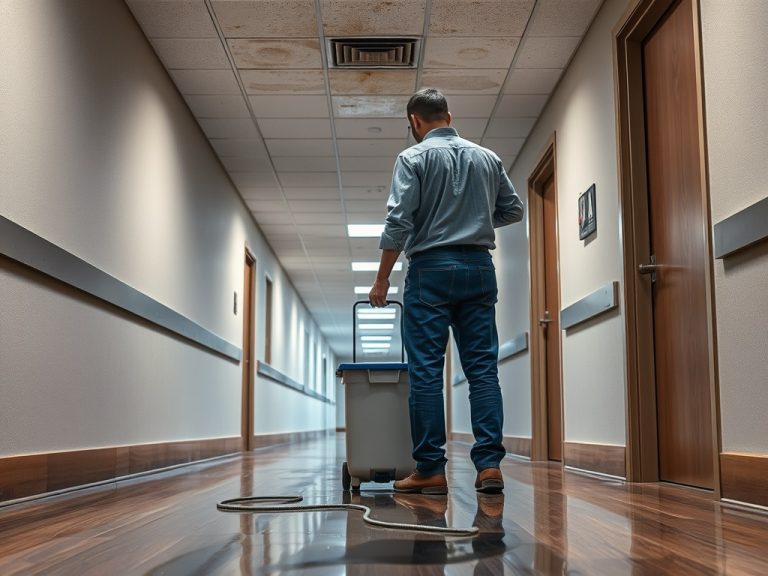
Cleaning teams often see building problems early: recurring restroom moisture, leaking entries, stained ceiling tiles, loose flooring, clogged drains, pest activity, and odors. A healthy-building program should create a simple path for custodial staff to report these conditions to maintenance.
Water control is especially important. No cleaning product can compensate for recurring leaks or damp materials. If moisture appears near windows, roofs, floors, or mechanical systems, the issue should feed into the work-control process owned by a maintenance planner in a mature reliability program.
Floor care deserves special attention
Floor finishes can be a major source of maintenance labor, chemical use, slip complaints, and indoor odor. A green floor-care plan should match the flooring material, traffic, entry matting, soil load, and manufacturer guidance. Burnishing, stripping, waxing, and deep cleaning should not be scheduled by habit alone.
Transitions and edges need inspection too. Loose strips, wet edges, and damaged thresholds can become safety issues during cleaning. Coordinate floor care with maintenance planning so cleaning equipment and chemicals do not shorten the life of the finish.
Training makes the difference
Custodial and maintenance staff need practical training, not just product handouts. Training should cover dilution, dwell time, personal protective equipment, spill response, storage, label reading, safety data sheets, equipment maintenance, waste handling, and when to escalate a building issue. Supervisors should observe the work periodically to confirm that the written procedure matches the real task.
Vendors should follow the same program. Contract language can require approved products, documentation, staff training, equipment standards, and reporting of building deficiencies. A vendor who uses unapproved chemicals or skips dilution controls can undermine the building's policy quickly.
Comparison: weak claim vs practical practice
| Weak green cleaning claim | Practical healthy-building practice |
|---|---|
| "We use green products." | Approved product list, dilution control, SDS access, and training |
| "We clean after hours." | Cleaning schedule coordinated with HVAC operation and drying needs |
| "We reduced chemicals." | Soil prevention, microfiber tools, entry mats, and right-sized disinfection |
| "The building smells clean." | Low-residue cleaning with odor concerns investigated, not masked |
Budget and occupant communication
Green cleaning may shift costs rather than simply reduce them. Better dispensers, microfiber systems, mats, training, and storage controls can require upfront planning. Claims about savings should be based on actual purchasing, labor, waste, and rework data, not assumptions.
Occupants should understand what the program does and does not do. It may reduce certain exposures and improve consistency, but it does not guarantee perfect indoor air quality or eliminate all allergens, odors, pathogens, or maintenance issues. When occupant health concerns are raised, involve qualified environmental, safety, or medical professionals as appropriate.
Link cleaning with building systems
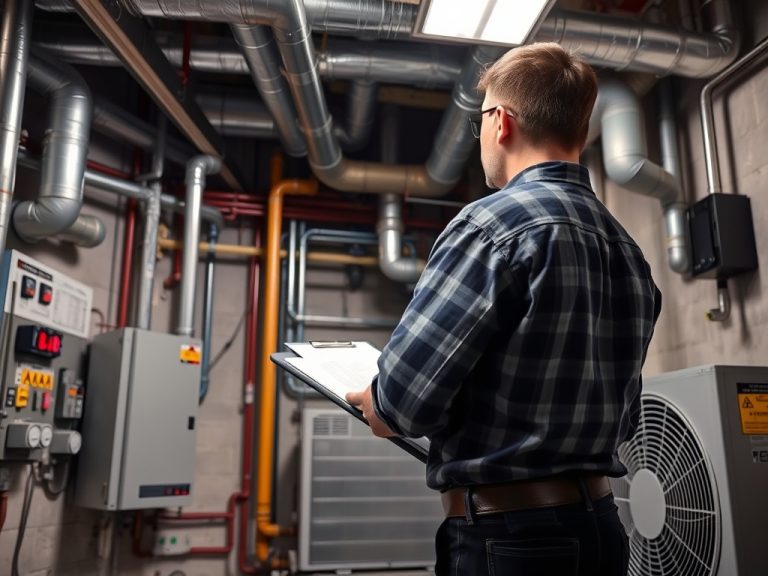
Cleaning practices interact with HVAC operation, moisture control, maintenance response, and energy choices. For example, a facility reviewing boiler, furnace, and heat pump options should also think about filtration, ventilation schedules, humidity control, and how maintenance work affects occupied areas. Healthy buildings rely on coordinated operations, not one department acting alone. If cleaning changes require new ventilation assumptions, altered drainage, or regulated renovation work, review whether stamped drawings and engineering review are part of the decision path.
Procurement controls prevent program drift
Healthy cleaning programs often weaken when purchasing is decentralized. One department buys a scented spray, another brings in a stronger restroom chemical, and a vendor substitutes a product during a supply shortage. Each exception may seem small, but together they make training, storage, and safety data harder to manage.
Create a substitution rule before shortages happen. The rule should identify who can approve alternate products, what documentation is required, and how staff will be trained if instructions change. This keeps the program practical while avoiding uncontrolled product creep.
Occupant feedback should be structured. Instead of collecting vague complaints about smell or cleanliness, ask where the issue occurred, when it was noticed, what activity was happening, and whether moisture, ventilation, or maintenance work was nearby. Better feedback helps separate cleaning concerns from building-system problems.
Review the program periodically with cleaning staff, maintenance, purchasing, and occupants. People doing the work often know which tools fail, which dispensers leak, and which areas need different timing. Their feedback keeps the policy usable.
Making Healthier Cleaning Easier to Sustain
Create an approved-product list, train staff, control dilution, coordinate with maintenance, and review outcomes with occupants and vendors. This article is educational only and does not replace professional industrial-hygiene, safety, environmental, medical, engineering, legal, or facility-management advice.