Cluster: Smart Home, Energy Efficiency & Utilities | Content Type: How-To | Search Intent: Informational | Audience: Intermediate | Funnel: Top of Funnel
A smarter lighting setup combines the right light sources with sensible controls. Start by defining what each room needs for general visibility, focused tasks, and atmosphere; then choose compatible bulbs, fixtures, dimmers, sensors, or smart controls that improve those layers rather than adding technology for its own sake.
TL;DR Map each room by activity, build ambient, task, and accent layers, then select lamps and controls that are compatible with the fixtures and household routines. Use automation where it removes repetitive switching or wasted light. If a project requires new wiring, a new wall control, or work inside an electrical box, use a qualified electrician and follow local code.
Begin With a Room-by-Room Lighting Audit
Walk through the home after sunset with the normal lights on. Note dark corners, glare on screens, work surfaces that are poorly lit, and rooms where a single ceiling fixture is doing every job. Then repeat the walk in daylight. Smart lighting is most useful when it solves a real visibility, convenience, or energy-management problem.
ENERGY STAR describes smart lighting as a way to combine efficient products with features such as schedules, occupancy sensing, and remote control. Its smart lighting guidance is a useful baseline, especially for deciding where automation may actually reduce unnecessary runtime.
Prepare the Basics Before Buying Devices
- List every fixture and note its bulb base, maximum wattage, and whether it is already on a dimmer.
- Identify lamps or fixtures that use integrated LEDs, because the light source may not be replaceable like a standard bulb.
- Check whether existing wall dimmers are compatible with LED loads and with any smart bulbs you are considering.
- Decide whether you want app-based control, voice control, physical switches, sensors, or a combination.
- Check Wi-Fi coverage in rooms where connected devices will operate, especially detached rooms or far corners.
- Keep manual control available for guests, children, and anyone who does not want to use an app.
Build Three Layers Before You Automate
Ambient light for general movement
Ambient light is the baseline layer that makes a room comfortably usable. It may come from ceiling fixtures, recessed lights, wall sconces, or a group of lamps. Smart controls can schedule or dim this layer, but the first priority is even coverage without excessive glare.
Task light where detail matters
Task lighting belongs close to the activity: under-cabinet lights at a counter, a reading lamp near a chair, desk lighting for paperwork, or brighter light near a bathroom mirror. Good task placement can reduce the temptation to over-brighten the entire room just to illuminate one surface.
Accent light for depth and orientation
Accent lighting can highlight shelves, art, plants, or architectural details and can also provide a low-level path at night. It is the least essential layer, so treat it as optional. In a small room, a well-placed wall washer or lamp may add enough depth without creating visual clutter.
Choose Light Appearance Deliberately
Brightness and color appearance are separate decisions. Lumens describe light output, while correlated color temperature describes whether white light appears warmer or cooler. The U.S. Department of Energy provides a useful overview of light-bulb color temperature. In homes, warmer white light is commonly used in living and sleeping spaces, while somewhat cooler light may be preferred where visual tasks dominate. Those are preferences, not universal rules.
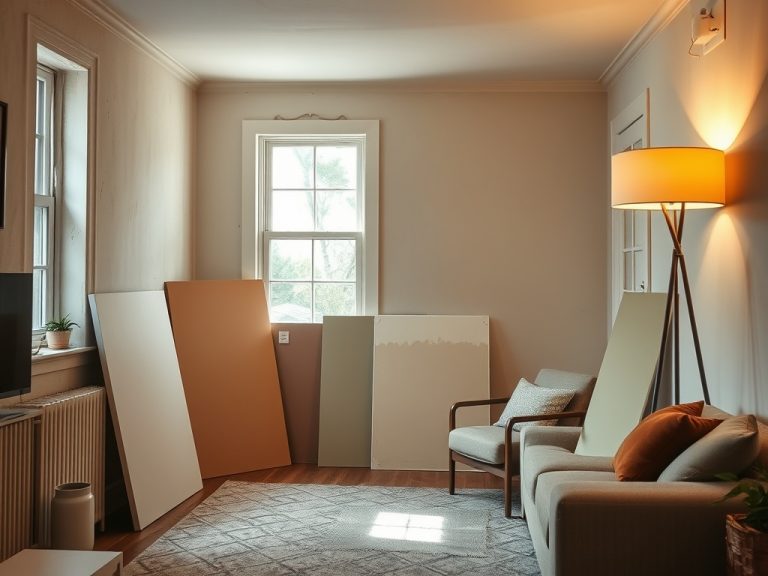
Wall finishes strongly affect the way light is perceived. If you are planning lighting because a room feels gloomy, coordinate the setup with paint choices for low-light rooms. A high-output bulb cannot fully compensate for poor fixture placement, and a highly reflective paint cannot replace a missing task light.
Set Up Each Room Around Its Main Job
Living room
Use multiple low-to-mid-level sources rather than relying only on a bright ceiling fixture. A floor lamp by seating, a table lamp, and a dimmable ambient source create flexibility. Smart scenes can group these sources for reading, conversation, television, and late-evening use.
Kitchen
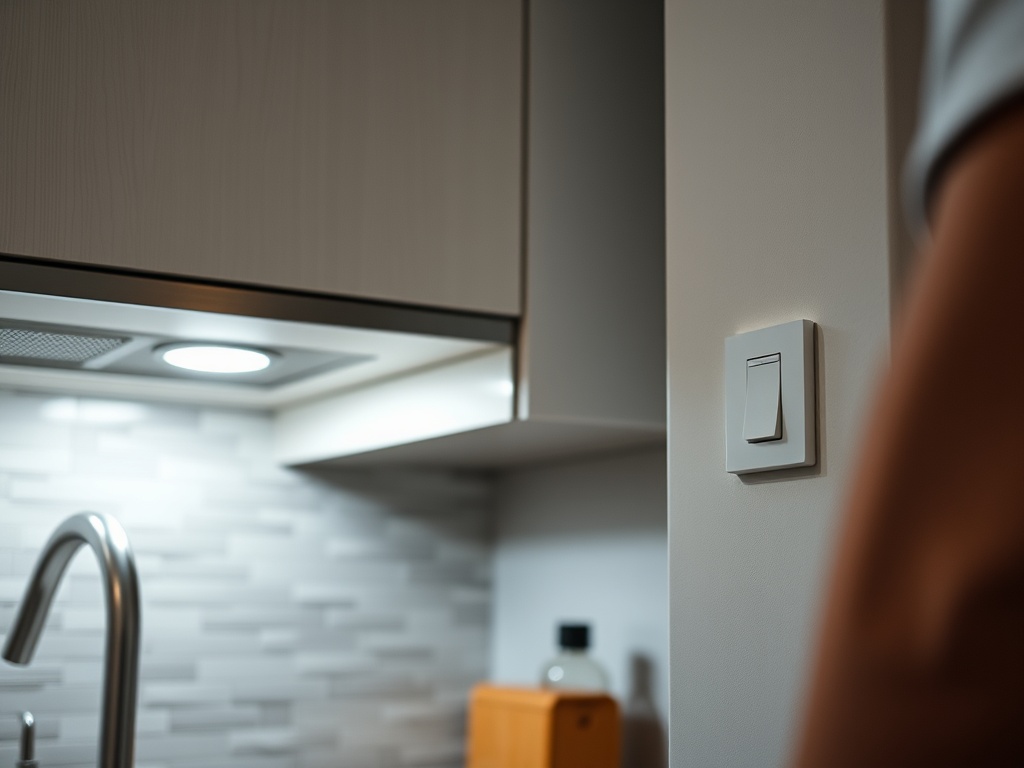
Prioritize countertop visibility. Under-cabinet task lighting can reduce shadows from overhead fixtures. Smart switching is useful for separating work lighting from lower-level evening lighting. Avoid placing decorative controls where they complicate safe operation of essential task lights.
Bedroom
Keep controls simple at the doorway and bedside. A schedule can lower or turn off nonessential lights at a consistent time, while bedside lamps can remain independently controllable. Avoid automations that unexpectedly turn on bright light during sleep hours.
Bathroom
Use lighting rated for the location, especially near showers and other wet areas. Mirror lighting should illuminate the face from useful angles rather than create deep overhead shadows. Connected controls should never override electrical safety requirements or product location ratings.
Hallways and entries
Motion or occupancy sensing can be useful in circulation spaces where people frequently enter with full hands. Set timeouts thoughtfully so lights do not switch off while someone is still using the space. A lower nighttime level may be more comfortable than full brightness.
Outdoor areas
Use exterior-rated fixtures and controls. Timers, dusk-to-dawn behavior, and motion sensing can reduce unnecessary operation while supporting entry visibility. Confirm local rules for exterior lighting if glare, property boundaries, or community standards are concerns.
Decide Between Smart Bulbs and Smart Switches
Smart bulbs are usually easiest in lamps and simple fixtures because they can be installed without changing wiring. Their main limitation is that someone can turn off the physical switch, cutting power to the connected bulb. Smart switches keep familiar wall control and can manage multiple fixtures together, but installation may require electrical work and compatibility checks.
A hub-based system can improve coordination among many devices, while Wi-Fi bulbs may be simpler for a few rooms. Do not assume one architecture is universally better. Consider device count, household comfort with apps, network reliability, and whether the system must continue working when the internet connection is unavailable.
Troubleshoot the Most Common Problems
- Flicker: confirm bulb-dimmer compatibility and verify the fixture is designed for the lamp type.
- Delayed response: check signal strength, device firmware, and whether a hub or router is overloaded.
- Lights turning on unexpectedly: review schedules, presence rules, geofencing, and voice-assistant routines for conflicts.
- Guests cannot operate lights: preserve intuitive wall or lamp controls and label only where necessary.
- Automation feels annoying: remove rules that do not save effort. A smart setup should reduce friction, not create it.
In homes with young children, controls, cords, and plug-in devices should also be considered as part of the broader childproofing checklist. For plant rooms or sunrooms, automated lighting should not be treated as a substitute for understanding natural exposure; heat and light stress are covered in plant heat-wave protection.
Keep the System Useful Even Without the App
The strongest smart lighting setup still works as ordinary lighting. People should be able to enter a room and turn on the lights without remembering a scene name or finding a phone. Use automation for repeatable behavior, but keep basic manual control clear. That balance makes the system easier to live with and easier to troubleshoot.
| Next step: audit one room tonight, identify one lighting problem, and solve that room before buying devices for the rest of the house. |
|---|
| Informational note: Electrical work can create shock, fire, and code-compliance risks. Follow manufacturer instructions and local electrical requirements, and use a qualified electrician for wiring, switch replacement, or other work inside electrical boxes when appropriate. |