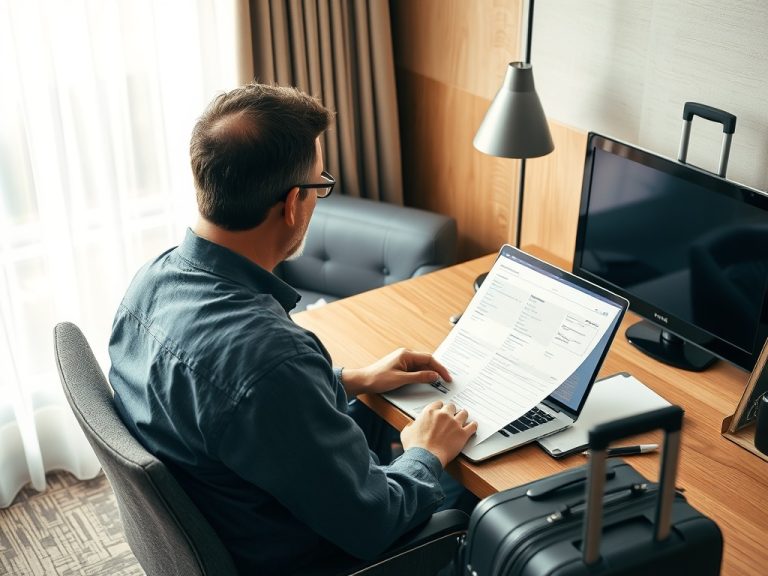
When mobility needs affect a hotel stay, the biggest booking mistake is relying on an “accessible” label without confirming the specific features that make the room and property usable. Travelers should identify essential needs, verify them with the property, document the confirmation, and plan the complete route from arrival to room and key amenities.
TL;DR: Translate “accessible” into concrete features: route, doorway and maneuvering space, bathroom setup, bed access, elevator access, parking or drop-off, and the amenities you intend to use. Confirm essential features directly, keep the reservation notes, and do not depend on a last-minute upgrade or room swap for a non-negotiable need.
Accessibility works feature by feature and route by route
In the United States, the 2010 ADA Standards for Accessible Design include requirements for guest rooms with mobility features in covered transient lodging facilities, and the ADA lodging guide explains broader obligations for places of lodging. Legal requirements vary by jurisdiction, and individual needs vary too, so a compliant room is not automatically the right room for every traveler. Booking decisions should focus on the features needed for the actual stay.
Mobility booking check
| Check | Risk if missed | Better evidence |
|---|---|---|
| Room | Missing essential feature | Written feature confirmation |
| Route | Barrier between key areas | Arrival-to-amenity route check |
| Party | Wrong bedding or setup | Occupancy and companion needs |
Mistake 1: Booking an accessible room without identifying essential features
One traveler may need a roll-in shower, another may need transfer space beside the bed, and another may mainly need step-free access from parking to the room. A generic label cannot replace a feature checklist.
Write down the non-negotiable features before searching. Separate them from preferences. Use that list when speaking with the property so the conversation is about measurable room and route characteristics.
Mistake 2: Checking the room but not the route to it
A suitable room can still be difficult to use if the arrival path, lobby, elevator, corridor, parking, shuttle, pool, restaurant, or meeting space creates barriers. Compare the full journey with resort wayfinding and flow mistakes because clarity and accessibility often meet at the same decision points.
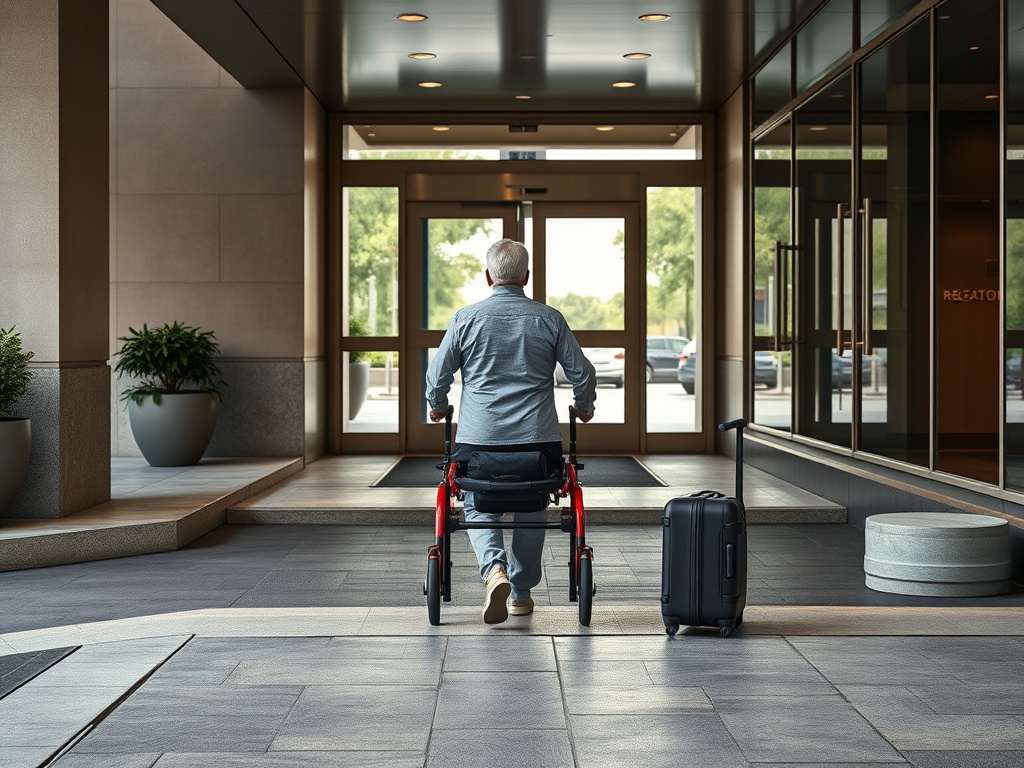
Ask how to travel from drop-off or parking to reception and then to the room, including elevator availability and alternate routes. If a key amenity matters, confirm the accessible route to that amenity as well.
Mistake 3: Assuming online photos prove accessibility
Wide-angle images can make spaces look larger, and a bathroom photo may not show thresholds, transfer space, grab bars, shower controls, or door swing. Photos are useful orientation tools but weak evidence for a critical dimension or feature.
Use property descriptions and direct confirmation for essential needs. Ask precise questions and request written confirmation in the booking record when possible. If dimensions matter, ask the property to provide them rather than estimating from images.
Mistake 4: Relying on a future room change or upgrade
A standard room plus a hope of switching later creates unnecessary risk when mobility features are essential. Availability can tighten close to arrival. The same principle applies to prepaid booking risks: do not lock in a restrictive purchase before confirming that the product fits the need.
Reserve the required room type from the start. Treat upgrades as optional and never as the plan for obtaining an essential accessibility feature. Reconfirm the reservation before arrival if the feature is critical.
Mistake 5: Forgetting the needs of the whole travel party
Caregivers, family members, children, or companions may affect bed setup, connecting-room needs, bathroom use, seating, and transport. A room that works for one person may not work for the party as a whole.
Confirm occupancy, bedding, connecting-room arrangements, and any equipment placement. If meals are bundled, review room-only, half-board, and full-board plan mistakes so dining access and meal timing also fit the travel party.
Mistake 6: Arriving without a backup contact or issue plan
Even a carefully documented reservation can face maintenance issues, room-assignment errors, or transport disruptions. A backup plan does not mean expecting failure; it means knowing who can act quickly if a critical feature is unavailable.
Keep the property phone number, booking confirmation, accessibility notes, and any equipment-provider contacts easy to reach. At check-in, verify the essential features before fully unpacking when a room change would be difficult later.
A calm response when the assigned room does not meet a confirmed need
If an essential feature is missing, describe the specific functional problem and show the written confirmation. Clear details make it easier for staff to identify a workable remedy.
- Check whether the issue is room assignment, a missing portable item, a maintenance problem, or a feature the property does not have.
- Ask for an equivalent room that provides the confirmed feature, and verify the route before moving luggage or equipment.
- If the property cannot provide what was confirmed, document the conversation and discuss realistic alternatives with management and the booking seller.
- After the stay, keep records of any billing adjustment or formal complaint until it is resolved.
A mobility-focused booking confirmation checklist
A reliable accessible booking turns needs into specific, confirmable features. The purpose of the checklist is not to demand every possible accessibility element; it is to identify the few features and routes that determine whether this particular traveler can use the room and property safely and independently enough for the trip.
A useful warning sign is any essential mobility need that appears only in a general request box rather than in the confirmed room type or a property response. Free-text notes can help staff, but they may not reserve a particular physical feature. When a feature determines whether the room is usable, seek a reservation record and direct confirmation that clearly identify what has been secured.
- What mobility feature is essential inside the room? Confirm bed approach, clear floor space, bathroom transfer needs, shower type, grab-bar location where relevant, door operation, storage access, and the placement of furniture or equipment that affects movement.
- How will the traveler get from arrival to the room? Review drop-off, parking, entrance, reception, elevator, corridor, thresholds, and any outdoor segments. A room feature is only useful when the route to the room is workable too.
- Which amenities are central to the trip? If the stay depends on a conference room, restaurant, pool, spa, beach access, fitness center, shuttle, or breakfast area, confirm the accessible route and any feature needed at that destination.
- Does the reservation record show the required room type rather than only a free-text request? Essential mobility features should not depend on a preference note when the booking system offers a specific accessible room category.
- Do companions create additional space, bedding, or bathroom needs? Confirm total occupancy, connecting arrangements, caregiver needs, equipment charging or storage, and any transport assistance so the room works for the party rather than for one person in isolation.
- Who should be contacted if the assignment is wrong on arrival? Keep the property number, booking seller, confirmation, and written feature notes accessible. A clear escalation path saves time when a room change is easier before luggage and equipment are fully settled.
Book the function you need, not the label you hope will fit
The most reliable accessibility booking starts with a precise feature list and a complete route plan. Confirm what matters, keep the documentation, and make optional room preferences secondary to the features that determine whether the stay is usable.