How Dentists Detect Cavities Before You Feel Pain
Article ID: 6 | Cluster: Preventive & General Dentistry | Content Type: Beginner Guide | Funnel Stage: Top of Funnel
Dentists can often spot early tooth decay before it hurts by combining a visual exam, gentle probing when appropriate, cavity risk review, and dental X-rays when they are clinically indicated. Pain usually shows up later, after decay has moved deeper into the tooth, so early detection is meant to catch problems while they may still be smaller and easier to manage.
TL;DR
- Early cavities may not cause symptoms because decay can start in enamel, which does not contain nerves.
- Dentists usually look for color, texture, plaque retention, weak spots between teeth, and changes on X-rays.
- Not every suspicious area needs a filling right away; some early lesions may be monitored or treated with prevention-focused care.
- Book promptly if you notice visible holes, food trapping, temperature pain, or lingering sensitivity.
Why decay can be present without pain
Tooth decay starts when acids from oral bacteria repeatedly pull minerals out of tooth structure. In its earliest stage, the damage may stay in enamel. Because enamel has no nerve tissue, a person may not feel anything even when a lesion has already begun.
As decay progresses, it can become easier for a dentist to detect than for a patient to notice. That is why routine checkups matter: the goal is not only to find painful cavities, but also to catch changes before they break through the surface or spread closer to the nerve.
A dentist may also look at your overall risk. Frequent snacking, dry mouth, a history of many fillings, visible plaque buildup, exposed roots, or orthodontic appliances can all change how closely suspicious areas are monitored.
What happens during the visit
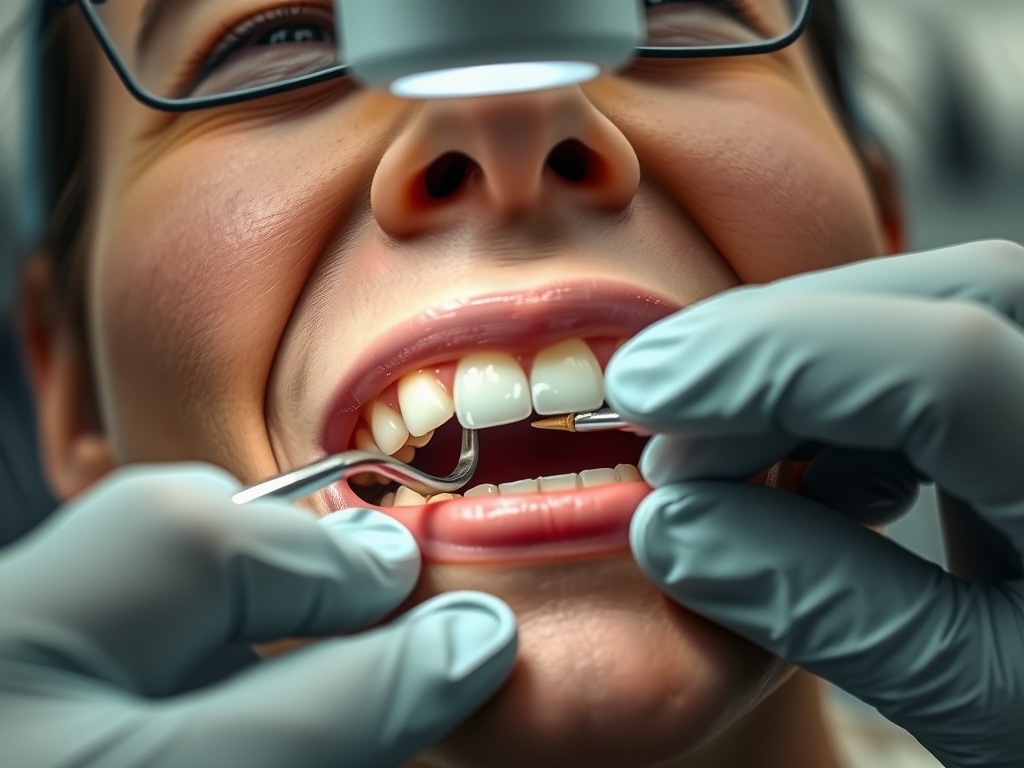
The appointment usually starts with a visual exam under good lighting. The dentist dries the teeth, checks grooves and contact areas, and looks for chalky white changes, brown discoloration, surface breakdown, or spots that trap plaque more easily.
Next comes a review of symptoms and habits. You may be asked about sensitivity to sweets or cold, flossing difficulty, dry mouth, recent dental work, and diet patterns. Those details help distinguish a stain from an active lesion that is more likely to progress.
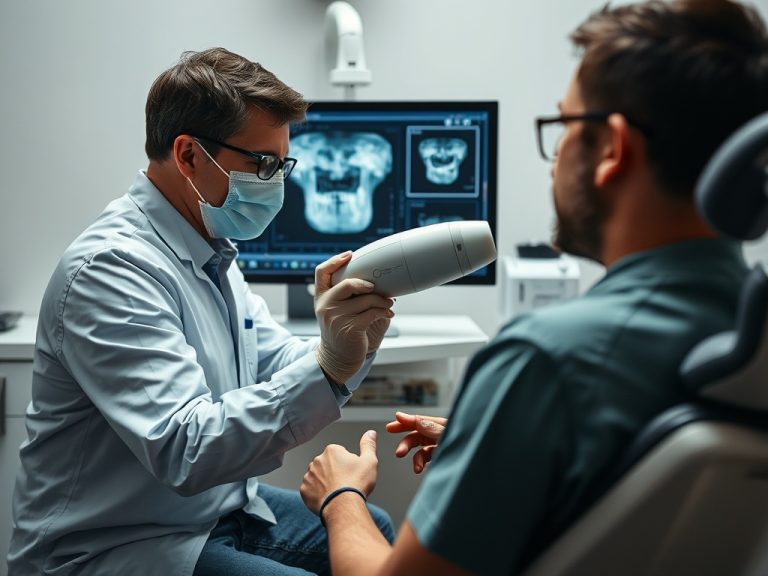
When needed, dental X-rays add another layer of information. Bitewing radiographs are commonly used to look for decay between teeth and beneath existing restorations. X-rays are not taken on a one-size-fits-all schedule; current ADA and FDA guidance supports using radiographs based on clinical need rather than a fixed routine for every patient.
Some practices also use adjunctive caries-detection tools, but these do not replace a clinical exam and radiographs when indicated. A dentist still has to interpret the findings in context.
Benefits, limits, and what the findings can change
The main benefit of early detection is that the treatment plan may stay more conservative. An early enamel lesion may be managed with fluoride, diet changes, improved plaque control, and closer follow-up rather than immediate drilling.
The main limitation is that not every area is obvious at first glance. Contact-point decay between teeth, decay under older fillings, and lesions hidden by crowding may be harder to judge without imaging or monitoring over time.
A suspicious spot does not automatically mean you need a filling that day. Dentists consider location, whether the surface is already cavitated, your caries risk, and whether the lesion appears active or inactive. If the decay has already broken down the tooth surface or spread deeper into dentin, restorative treatment becomes more likely.
If a cavity is close to the pulp, or if pain suggests deeper infection, the plan may change more significantly. That can mean a larger filling, a crown, or referral to an endodontist if the nerve appears involved.
Planning Notes for Dentists Detect Cavities Feel Pain
Most early-cavity findings stay in the routine-care category. That means you can usually schedule a standard follow-up visit, review prevention steps, and decide whether the area should be watched or treated.
You should contact a dentist sooner if you have persistent pain, pain that wakes you at night, swelling, bad taste or drainage, a visible hole, a broken tooth around an old filling, or sensitivity that lingers after hot, cold, or sweets. Those features can suggest deeper decay or infection rather than a small early lesion.
If you are preparing for a first appointment, bringing a medication list and a clear dental history can make the exam more useful. For a broader overview of what to gather, see What to Bring to a New Patient Consultation.
Comparison: early lesion vs deeper cavity
| Feature | Early lesion | Deeper cavity |
|---|---|---|
| What you may feel | Often nothing | Sensitivity, pain, food trapping |
| Where it may be found | Enamel or just starting between teeth | Dentin or near the pulp |
| How it is detected | Visual exam, risk review, X-rays when needed | Visual exam, X-rays, symptoms |
| Common next step | Prevention, monitoring, fluoride, home-care changes | Filling or more involved treatment depending on depth |
Questions About Dentists Detect Cavities Feel Pain
For Dentists Detect Cavities Feel Pain, this part of Questions About Dentists Detect Cavities Feel Pain focuses on the symptom history, previous treatment, current medicines, and the result the patient values most when a second opinion is considered, with the same details verified when a second opinion is considered. The clinician should also explain which examination finding supports each recommendation and what information could change it for Dentists Detect Cavities Feel Pain when the follow-up plan is written, using the examination and health history rather than a general assumption. Recording that explanation gives the patient a clearer next step for Dentists Detect Cavities Feel Pain when a second opinion is considered, especially when follow-up duties are reviewed when a second opinion is considered.
If a spot is being watched, does that mean it was missed before? Not necessarily. Early lesions can be intentionally monitored because the tooth surface has not broken down yet. Monitoring is usually an active decision that includes fluoride, home-care changes, and a follow-up interval.
Does sensitivity always mean a cavity? No. Sensitivity can also come from recession, cracked teeth, worn enamel, or a recent whitening product. Dentists look at the pattern of symptoms together with the exam rather than assuming every sensitive tooth has decay.
What to ask at your next checkup
If your dentist says they are watching a spot, ask three practical questions: Is the surface broken, what signs would mean it is getting worse, and when should it be rechecked? That gives you a clearer plan than simply hearing that a tooth is being monitored.
keep regular exams, follow the home-care advice that fits your risk, and book an earlier visit if symptoms change rather than waiting for pain to become severe.
If you want a broader framework for your visit, What to Bring to a New Patient Consultation explains how to prepare for the appointment, while Osteoporosis, Bone Density, and Dental Treatment Planning adds context when medical history can affect treatment planning. For day-to-day gum care around sensitive areas, How to Floss Comfortably When You Have Gum Recession may also be useful.
Timing and Recovery for Dentists Detect Cavities Feel Pain
Planning How Dentists Detect Cavities Before You Feel Pain also means discussing effects on work, school, travel, eating, driving, exercise, and caregiving responsibilities. Before scheduling How Dentists Detect Cavities Before You Feel Pain, ask how delays, missed visits, or slower healing could change comfort, cost, and the final result as the treatment sequence is documented. The timeline for How Dentists Detect Cavities Before You Feel Pain should include diagnosis, preparation, treatment, healing, adjustment, and maintenance rather than only the main appointment.
Sources and further reading: American Dental Association: Caries risk assessment and management | American Dental Association: X-rays and radiographs | FDA and ADA dental radiographic recommendations