Scanning for Patients With a Strong Gag Reflex: Why Digital Helps
Article ID: 454 | Cluster: Dental Technology, Digital Dentistry & Innovation | Content Type: Problem/Solution | Funnel Stage: Top of Funnel
For patients with a strong gag reflex, digital intraoral scanning can be easier to tolerate than traditional impression trays because it usually avoids a full tray of material sitting in the mouth. It is not a perfect fix for everyone, but it can reduce the triggers that make conventional impressions difficult, especially when the back of the mouth is sensitive.
TL;DR
- Digital scans often feel more comfortable because they are quicker in segments and do not rely on impression material setting in a tray.
- The main benefits are comfort, reduced gagging for many patients, and easier retakes of small areas.
- Limitations still matter: some scans remain challenging in certain back-tooth areas or in patients who cannot tolerate the wand.
- Tell the office about your gag reflex before the appointment so they can plan positioning, pacing, and backup options.
Why traditional impressions can be hard to tolerate
Conventional impressions often place a tray loaded with material over a broad part of the mouth for a period of time while it sets. For someone with a strong gag reflex, that can feel overwhelming, especially when material flows toward the palate or when breathing already feels tense.
Gagging is not just 'nervousness.' It can be triggered by anatomy, anxiety, textures, smells, breathing pattern, or the feeling of loss of control during the impression.
How digital scanning changes the experience
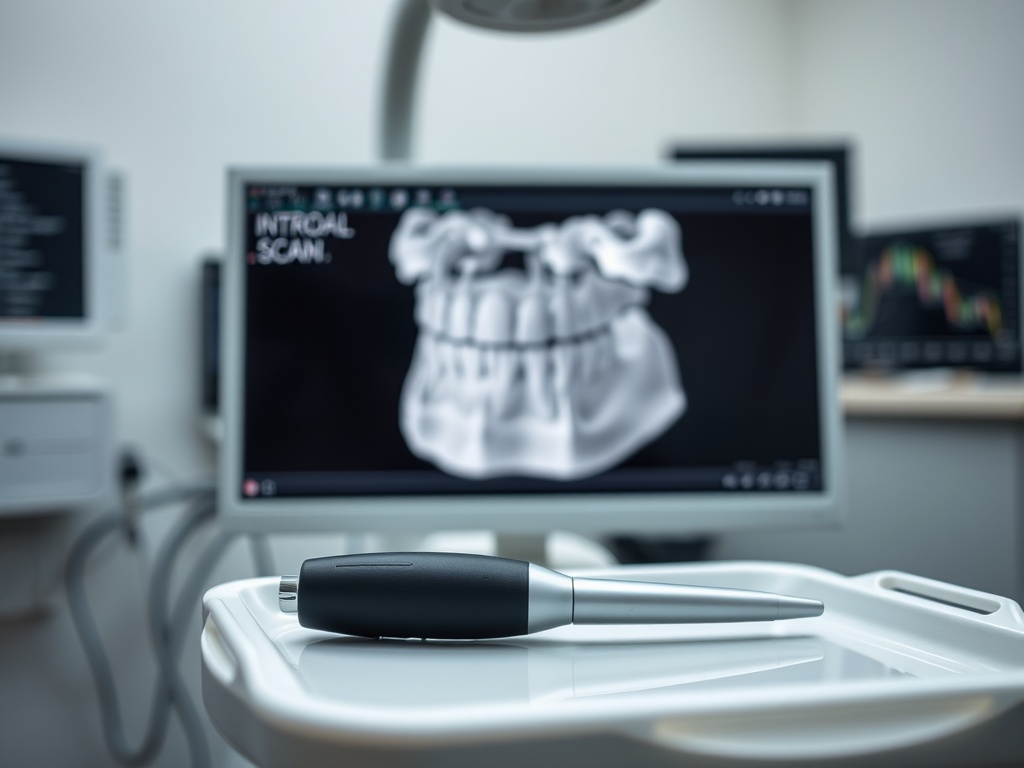
An intraoral scanner captures a digital model by moving a handheld wand around the teeth in sections. Because the clinician can pause, re-scan only one small area, and avoid loading a bulky tray with impression material, many patients find it more manageable.
Systematic reviews have found that intraoral scanning often improves patient comfort and can reduce procedure time compared with conventional impressions in appropriate cases. That does not mean every scan is effortless, but it does support why many offices prefer it for patients who gag easily.
Benefits, tradeoffs, and what to expect
The biggest comfort advantages are control and flexibility. The operator can work in shorter passes, let you sit more upright, and coach breathing between segments. If one back molar area is difficult, only that area may need to be repeated rather than the whole impression.
The tradeoffs are practical. Some scans still take time, some back-of-mouth anatomy remains challenging, and not every office uses the same scanner or scanning strategy. In a few cases, a conventional impression, a modified tray approach, or sedation planning may still be discussed.
Comparison: digital scan vs conventional impression
| Question | Digital scan | Conventional impression |
|---|---|---|
| Main gag trigger | Wand contact and back-tooth access | Full tray and impression material |
| Can the operator pause easily? | Yes, usually | Not once the material is setting |
| Need to repeat the whole process after a small error? | Often no | More often yes |
| Patient comfort | Often better, though not universal | Commonly harder for sensitive gag reflexes |
| Cost and access | Depends on office technology | More widely available in some settings |
Questions About Scanning Patients Strong Gag Reflex
If gagging mainly happens during impressions and you can usually tolerate routine exams, a digital scan may be enough planning. Tell the office in advance so they can schedule the right workflow.
If gagging is severe during X-rays, mirrors, or any back-of-mouth work, the problem may be bigger than impression method alone. The office may need to discuss positioning, topical strategies, shorter appointments, anxiety management, or sedation options. In that setting, How Long Does Dental Sedation Last—and When Can You Drive Again? may be a useful companion read.
If the scan is for a retainer replacement, Lost Retainer? What to Do Before Teeth Shift More covers the time-sensitive side of that problem. And if you are seeing a new office, What to Bring to a New Patient Consultation helps you prepare the details that make digital planning faster.
Questions About Scanning Patients Strong Gag Reflex During Planning
When discussing Scanning for Patients With a Strong Gag Reflex: Why Digital Helps, request a comparison of the main alternatives and the maintenance expected after each one. Before deciding about Scanning for Patients With a Strong Gag Reflex: Why Digital Helps, confirm the likely timeline, total cost, and the next step if the result is not as expected before consent is finalized.
Can digital scans replace all traditional impressions? Not in every office or every case. The right method depends on the treatment, the equipment available, and the operator’s experience.
Does telling the office ahead of time really help? Yes. Scheduling, room setup, positioning, and the choice of operator or technology can all be adjusted when the team knows about the gag reflex beforehand.
Simple ways offices may make scanning easier
Many clinicians improve tolerance by seating patients more upright, working in short bursts, coaching nasal breathing, suctioning carefully, and scanning the easier front areas first. The point is not only the device itself but also the workflow around it.
If the office knows your triggers, they may avoid discussing too many instructions while the scanner is in your mouth and may schedule extra time so the process does not feel rushed.
Questions to ask before your appointment
Ask whether the office offers digital scanning for your type of treatment, whether they routinely use it for gag-sensitive patients, how long the scan usually takes, and what the backup plan is if you cannot tolerate the back-tooth areas.
mention your gag reflex when you book the appointment, not after you are already in the chair. That single detail can change how the visit is set up.
Questions About Scanning Patients Strong Gag Reflex Before Treatment
For Scanning Patients Strong Gag Reflex, this part of Questions About Scanning Patients Strong Gag Reflex Before Treatment focuses on the symptom history, previous treatment, current medicines, and the result the patient values most before consent is finalized, with the same details verified before temporary care is replaced. The clinician should also explain which examination finding supports each recommendation and what information could change it for Scanning Patients Strong Gag Reflex before treatment is scheduled, using the examination and health history rather than a general assumption.
Clinical Checks for Scanning Patients Strong Gag Reflex
For Scanning Patients Strong Gag Reflex, this part of Clinical Checks for Scanning Patients Strong Gag Reflex focuses on confirmed findings, measurements, imaging, and health-history factors when the follow-up plan is written, with the same details verified before temporary care is replaced. The clinician should also explain what remains uncertain and whether another test or specialist opinion would alter the plan for Scanning Patients Strong Gag Reflex as the long-term result is reviewed, using the examination and health history rather than a general assumption.
If you want to arrive with fewer surprises, What to Bring to a New Patient Consultation explains what information to gather first. For problems that may need same-day attention, use Lost Retainer? What to Do Before Teeth Shift More as your urgency guide. And if a missing retainer or cavity concerns are part of the bigger picture, How Dentists Detect Cavities Before You Feel Pain can help you prepare better follow-up questions.
Clinical Checks for Scanning Patients Strong Gag Reflex During Planning
Planning Scanning for Patients With a Strong Gag Reflex: Why Digital Helps also means discussing effects on work, school, travel, eating, driving, exercise, and caregiving responsibilities. Before scheduling Scanning for Patients With a Strong Gag Reflex: Why Digital Helps, ask how delays, missed visits, or slower healing could change comfort, cost, and the final result as the long-term result is reviewed.
Sources and further reading: Systematic review: intraoral scanning and patient comfort | Systematic review of digital intraoral scanning in orthodontics | PubMed study comparing digital and conventional impressions