
Retail merchandising improves basket size when it makes the next useful purchase easy to notice, easy to understand, and easy to add. The goal is not to pressure shoppers but to design product, placement, pricing, and timing so customers see relevant combinations before they leave.
Quick retail takeaways: increase basket size by pairing complementary products, reducing decision friction, and using store or site data to refine what belongs together.
Basket size is a merchandising outcome, not only a pricing issue
Basket size is commonly discussed as average order value, units per transaction, or average basket value. Those numbers matter, but the merchandising work behind them is broader than discounting. Retailers influence basket size through assortment architecture, shelf adjacency, product bundles, checkout prompts, category education, and seasonal storytelling. A shopper who enters for one item may add two more when the related need is obvious and credible.
The National Retail Federation regularly highlights retail as an industry shaped by operations, customer behavior, and technology. For smaller retailers, that point is practical: merchandising is where strategy meets the shelf, the product page, and the checkout experience. If the data behind assortment or pricing is inconsistent, the merchandising plan gets weaker, which is why Data Governance Basics for Growing Companies is a useful companion topic.
Start with the shopping mission
A shopping mission is the reason the customer is buying today. A grocery shopper may be buying dinner for tonight, a weekend restock, school lunches, or a party. A hardware shopper may be fixing a leak, repainting a room, or buying emergency supplies. The same product can play a different role depending on the mission. Basket-building merchandising begins by identifying those missions and organizing offers around them.
- Urgency mission: place needed add-ons close to the main product, such as batteries near flashlights.
- Project mission: group tools, materials, and finishing items as a complete solution.
- Gift mission: show price tiers, packaging options, and small add-ons near the decision point.
- Replenishment mission: use simple reminders for consumables, refills, or commonly replaced items.
- Discovery mission: introduce related items without overcrowding the display or product page.
Use adjacency to make related products feel obvious
Adjacency is one of the simplest basket-size levers. Products that naturally belong together should be easy to find together. This applies in physical stores and online. In a store, adjacency may mean placing shoe care near footwear or recipe ingredients near a featured item. Online, it may mean product recommendations, curated collections, or cart prompts that are specific enough to be helpful.
[Image Placeholder: Editorial photo of an independent retail aisle with thoughtfully grouped product displays, no readable labels, no visible brand logos, and shoppers shown only from behind or partially out of frame.]
Build bundles that solve a complete problem
A bundle works when it saves the shopper time or helps them avoid forgetting something. It is weaker when it feels like a random attempt to raise the ticket. Useful bundles have a clear theme: starter kit, refill kit, travel set, repair pack, care package, or party setup. The bundle should also show the economic logic clearly. The value may be convenience, confidence, speed, or modest savings.
| Merchandising tactic | Best fit | Risk to watch |
|---|---|---|
| Cross-sell adjacency | Products with a natural use relationship | Overcrowded displays that confuse the main purchase |
| Bundle or kit | Project, starter, gift, or replenishment missions | Adding weak items just to inflate the price |
| Threshold incentive | Free shipping or reward after a basket level | Training shoppers to wait for promotions |
| Checkout add-on | Low-risk, low-consideration items | Annoying prompts that slow checkout |
Design price tiers without forcing heavy discounts
Basket size often improves when shoppers can compare good, better, and best options. This helps customers self-select rather than abandon the decision. A basic version should cover the core job. A mid-tier version should solve a wider use case. A premium version should add durability, service, personalization, or convenience. The goal is clarity, not manipulation.
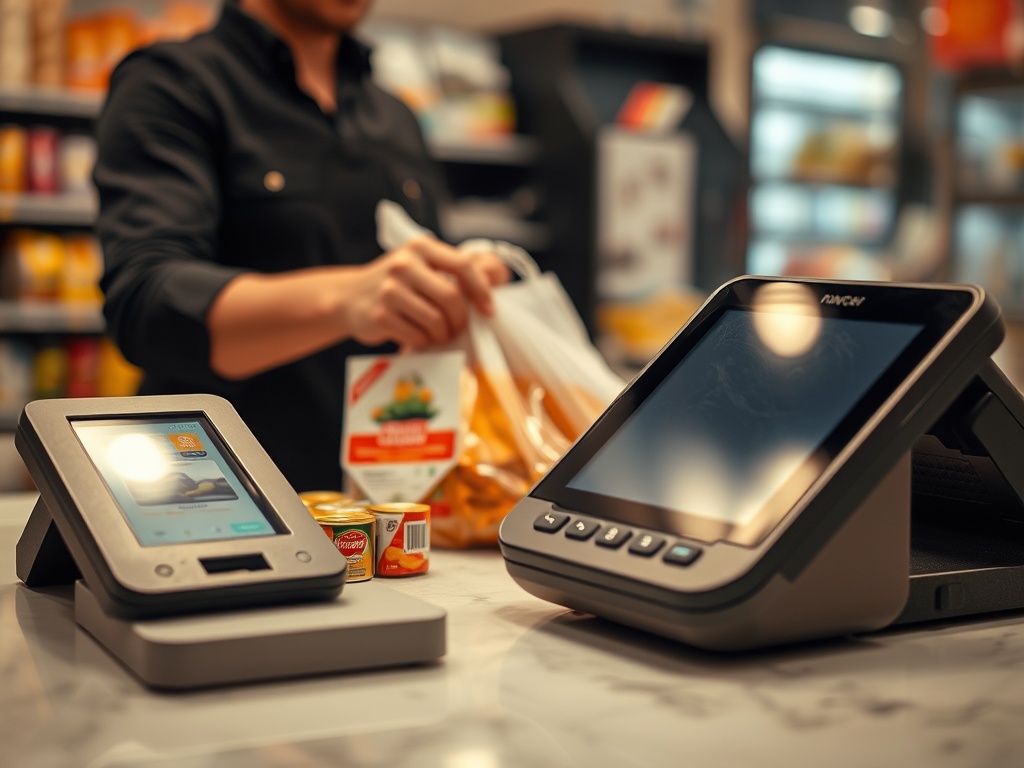
Discounting can increase order value in the short term, but it can also weaken margin and create promotion dependence. Instead of defaulting to markdowns, use threshold incentives carefully. A free-shipping threshold, loyalty reward, or gift-with-purchase can make sense when the incremental items have healthy margins and a clear customer reason.
Measure what shoppers actually add
Retailers should compare merchandising ideas against actual behavior. The SBA guidance on market research and competitive analysis encourages businesses to study customers and competitors before making major decisions. In merchandising, the same discipline applies to category performance, attachment rate, abandoned carts, return rates, and post-purchase feedback. A beautiful display that does not change behavior needs a different offer, a different location, or a clearer reason to buy.
1. Pick one category with frequent single-item purchases.
2. Identify the most common next-use products.
3. Create one physical or digital adjacency test.
4. Track units per transaction, attachment rate, gross margin, and returns.
5. Keep the winner, remove clutter, and test the next mission.
Where partnerships can lift merchandising
Some basket-building opportunities come from partners. A local coffee shop and bakery can create a morning bundle. A fitness studio and apparel retailer can coordinate a seasonal starter kit. A pet store and groomer can cross-promote maintenance products. This is where Strategic Alliances: When They Create Real Leverage and When They Stall becomes relevant: the merchandising idea must create value for both parties and make sense to the customer.
A grounded merchandising experiment to run next
Choose one high-traffic product and ask what the customer is trying to complete. Place the next most useful item within reach, write clearer product education, or create a small kit that removes uncertainty. Track the result for two to four weeks. If the test improves basket size without hurting margin or customer satisfaction, expand it to a second category.
Better merchandising does not make the customer buy more for no reason. It helps the customer finish the job they already came to do.