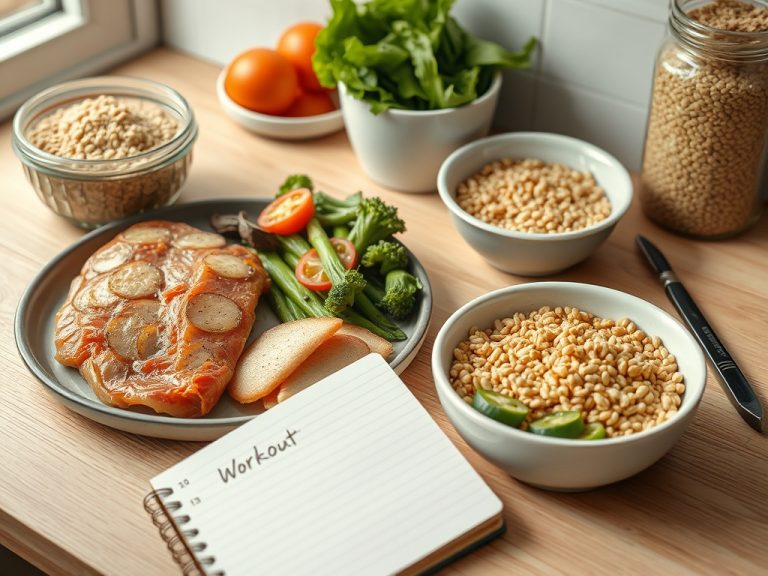
Process goals focus on the actions you control, such as workouts completed, bedtime consistency, or meal preparation. Outcome goals can still matter, but process goals give you a clearer daily path and reduce frustration when results move slowly.
Key Takeaway: Process goals turn fitness into scheduled actions. Use outcomes for direction, then let weekly behaviors carry the plan.
The Difference Between A Result And A Repeatable Action
An outcome goal describes a result: lose ten pounds, run a faster mile, lift a heavier weight, or lower a measurement. A process goal describes the behavior that could support that result: train three days a week, walk after lunch, practice squats with good form, or plan protein at breakfast. The distinction matters because outcomes are influenced by many variables, while processes are directly practiceable.
The CDC weight-management guidance encourages making a specific plan when trying to lose weight. That idea transfers well beyond weight loss. Specific behaviors are easier to schedule, track, and revise than vague hopes about future results.
Why Process Goals Feel Less Dramatic But Work Better
Process goals rarely sound exciting. “Complete two strength sessions this week” does not have the emotional punch of “transform my body.” But it gives you something to do today. It also protects motivation during normal plateaus, water-weight changes, busy weeks, and imperfect sleep. You can still win the day by completing the behavior.
This approach fits especially well with a first 30-day fitness plan, because the first month should teach consistency. After the month ends, you can judge whether the behaviors were realistic before raising expectations.
| Outcome Goal | Process Goal Translation | Tracking Method |
|---|---|---|
| Lose body fat | Strength train twice and plan three high-protein breakfasts | Weekly habit checklist |
| Improve stamina | Complete two easy cardio sessions and one longer walk | Calendar completion |
| Build strength | Practice four core lifts with controlled form | Training log notes |
| Feel less stiff | Do five minutes of mobility after work | Daily checkbox |
Choose Processes That Actually Influence The Outcome
Not every behavior is equally useful. A process goal should have a believable connection to the result. If the outcome is better cycling endurance, a process goal about random push-ups may be less relevant than scheduled rides and recovery. If the outcome is muscle retention during fat loss, resistance training and protein planning matter more than punishing cardio.
For readers focused on body composition, losing body fat without losing muscle provides a good example of outcome and process working together. The visible result depends on less visible habits repeated long enough to matter.

Make The Goal Small Enough To Survive A Busy Week
A useful process goal should survive an ordinary messy week. If it only works during a vacation or a perfect schedule, it is not a reliable system. Choose a minimum version that is almost impossible to argue with: ten minutes of movement, one prepared meal, one mobility drill, or one logged workout. Then add more when time and energy allow.
The Physical Activity Guidelines overview supports the broader value of regular movement, but individual plans need flexible entry points. Process goals turn a broad recommendation into a behavior that fits a calendar.
Review Process Goals Without Being Too Soft
Process goals should be compassionate, not meaningless. If you never complete the behavior, reduce the size or change the timing. If you always complete it easily, increase the challenge slightly. The review question is not “Did I become a different person?” It is “Did this behavior fit well enough to repeat, and did it point toward the result I care about?”
- Use one weekly scorecard, not constant self-judgment.
- Track behaviors before adding more goals.
- Keep outcome measurements on a slower review cycle.
- Celebrate consistency without pretending results are guaranteed.
A Strong First Process Goal For This Week
Choose one behavior with a clear time, place, and completion rule. For example: “After work on Monday and Thursday, I will complete a 25-minute full-body strength session.” That is easier to execute than “get in shape.” It also gives you useful data if the plan fails, because you can adjust the timing, length, or exercise list.
The next useful action is to write one outcome at the top of a page and three processes beneath it. Pick the easiest process to start this week. A fitness plan becomes less intimidating when the daily job is clear.
Turning A Process Goal Into A Weekly Contract
A weekly contract should be short enough to remember. Write the behavior, the time window, the minimum version, and the backup option. For example, if a full workout is not possible, the backup might be ten minutes of movement. This keeps one schedule problem from erasing the entire goal.
Review the contract at the end of the week and change only one piece. If the behavior was right but the timing failed, move the time. If the time was fine but the goal was too large, shrink the minimum. If the goal felt pointless, choose a behavior more closely tied to the outcome.
This method also makes success more visible. Instead of waiting for a result that may take months, you can see whether the system is being practiced right now. That visibility is often what keeps people engaged long enough for outcomes to follow.
Pair Process Goals With Environmental Cues
A process goal becomes easier when the environment points toward it. Put walking shoes near the door, keep the resistance band visible, place a water bottle beside the desk, or set workout clothes where you will see them before the planned session. The cue reduces the amount of decision-making required.
Environmental cues are not magic, but they remove small barriers. Fitness habits often fail because the next step is hidden, not because the person lacks desire. Make the next action obvious, and the goal has a better chance of surviving a busy day.
Use Outcomes As Occasional Feedback
Process goals should not make outcomes invisible. Check the result on a sensible schedule, such as every four weeks, then decide whether the behaviors are pointed in the right direction. This prevents both impatience and blind repetition.
When outcomes lag, do not assume the process concept failed. The behavior may need better intensity, frequency, nutrition support, or recovery. Keep the structure and refine the dose.