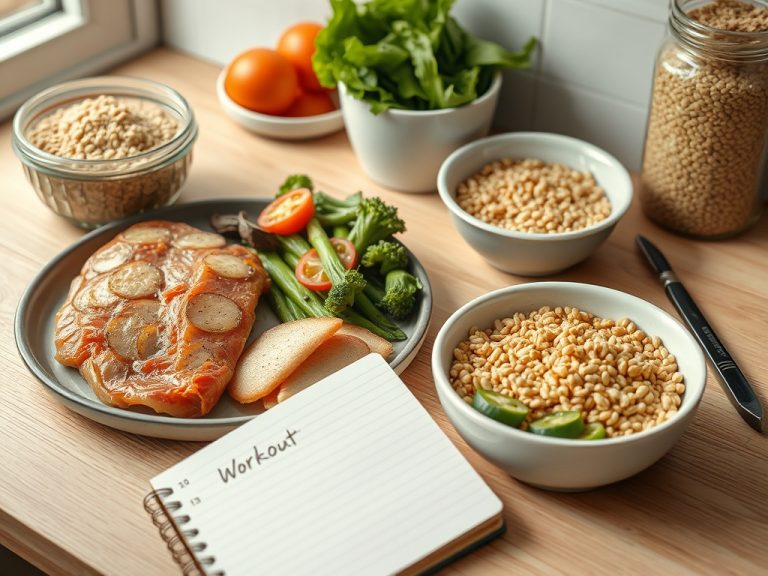
Carb timing matters most when training is long, intense, repeated, or performance-focused. For the average person doing moderate workouts, total daily food quality and consistency usually matter more than eating carbohydrates at a precise minute.
Key Takeaway: Carb timing is a tool for specific training demands. Everyday exercisers can usually start with regular meals, then adjust when energy patterns point to a need.
What Carb Timing Actually Means
Carb timing refers to when you eat carbohydrate-rich foods in relation to exercise. The idea is not automatically about sugar packets or sports drinks. It can be as ordinary as oatmeal before a morning ride, rice at lunch before an evening lift, or fruit after a longer session. The point is matching fuel to the work you expect your body to do.
Carbohydrates are one source of energy during exercise, but the need for precise timing varies. An open-access review on carbohydrate availability and performance explains that carbohydrate strategy should reflect training load and objectives. That wording matters because it does not support one universal rule for every workout.
When Timing Is Probably Not A Big Deal
If you exercise three or four times a week for general health, train under an hour, and feel fine during sessions, you may not need a formal timing plan. A balanced meal pattern across the day can be enough. Many people overfocus on the pre-workout snack while under-sleeping, under-hydrating, or skipping regular meals.
For people building a basic routine, a broader planning article such as how to build your first 30-day fitness plan may be more useful than micromanaging meal timing. First establish when you train, how often you recover, and which sessions truly feel limited by energy.
| Workout Situation | Carb Timing Priority | Practical Choice |
|---|---|---|
| Easy walk or short mobility session | Low | Normal meals are usually enough |
| Moderate 45-minute strength session | Sometimes useful | Eat a regular meal a few hours before if possible |
| Long ride or run | Higher | Plan carbohydrate before and possibly during |
| Two hard sessions in one day | Higher | Refuel between sessions deliberately |
Useful Signals That You May Need More Fuel
Pay attention to repeated patterns rather than one off day. You may need better fueling if workouts regularly feel flat, you become lightheaded, your performance drops after the first few sets, or cravings surge later because you trained underfed. These signals are not diagnoses, but they are practical clues that your meal timing may not match your activity.
Strength-focused readers should also consider total training stress. If your weekly set volume rises, your energy needs may rise too. The article on how many sets per muscle group you need can help connect nutrition questions with how much work you are actually performing.

Pre-Workout Options Without Complication
A normal meal two to four hours before training can work well for many people. If the workout is closer, a smaller snack may feel better. Examples include yogurt with fruit, toast with nut butter, a banana with milk, or rice and eggs earlier in the day. Individual tolerance matters; high-fiber or high-fat meals may sit heavily for some people before intense training.
The CDC healthy eating guidance emphasizes nutrient-dense patterns rather than isolated performance tricks. That perspective is useful because carb timing should not crowd out vegetables, protein foods, hydration, or overall meal quality.
After Training: Recovery Or Routine Meal?
The urgency of post-workout carbohydrates depends on what comes next. If your next demanding session is tomorrow or later, a normal meal after training is often sufficient. If you will train again soon, or if the session was long and hard, recovery eating becomes more important. Pairing carbohydrates with protein is a common practical strategy because it supports both energy restoration and muscle repair needs.
- Do not copy endurance-athlete fueling rules for a short casual workout.
- Avoid training hungry if it reliably makes you feel weak or distracted.
- Test snacks during ordinary sessions, not on event day.
- Adjust around digestion, schedule, intensity, and health needs.
A Simple Decision Rule For Everyday Exercisers
Ask three questions: Is the session longer than an hour? Is the effort high? Will another hard session happen soon? If the answer is no to all three, keep food timing relaxed. If one or more answers are yes, plan carbohydrates more deliberately before and after exercise.
The best next step is to run a two-week experiment. Keep your training similar, record what you eat before sessions, and note energy, stomach comfort, and performance. That small log will tell you more than a generic rule about a perfect eating window.
How To Test Timing Without Overthinking Food
Pick one recurring workout and keep the session similar for two weeks. During week one, train after your normal eating pattern. During week two, add a simple carbohydrate-containing snack before the same workout. Compare energy, stomach comfort, focus, and performance. This small test is more useful than copying a rule from a competitive athlete.
Do not test five foods at once. Digestion is individual, and a snack that works for one person may feel heavy for another. Choose familiar foods first. The goal is to reduce uncertainty, not to create a complicated pre-workout ritual.
If nothing improves, you may not need a timing change for that workout. If energy becomes steadier or the final sets feel less flat, keep the snack and retest later when training volume changes.
Special Cases Need More Individual Care
People with diabetes, gastrointestinal conditions, pregnancy, disordered eating history, or medical nutrition needs should be cautious with generic carb advice. Timing strategies can interact with medication, appetite cues, symptoms, and clinical goals. In those cases, individualized guidance is safer than internet rules.
Even for healthy adults, timing experiments should stay moderate. A snack that supports training should not become a reason to ignore hunger later or restrict food earlier. The goal is better workout support, not tighter control over every meal.
What To Do On Morning Workout Days
Morning exercisers often have less time to digest. If a full meal feels uncomfortable, try a smaller familiar option and keep the warm-up gentle. Some people train well after coffee and a light snack, while others need a more substantial breakfast. The useful answer is the one that improves the session without upsetting the stomach.
Pack food the night before if mornings are rushed. A timing plan that depends on willpower at 6 a.m. is fragile. A prepared option makes the decision automatic and keeps the workout from starting underfueled by accident.